
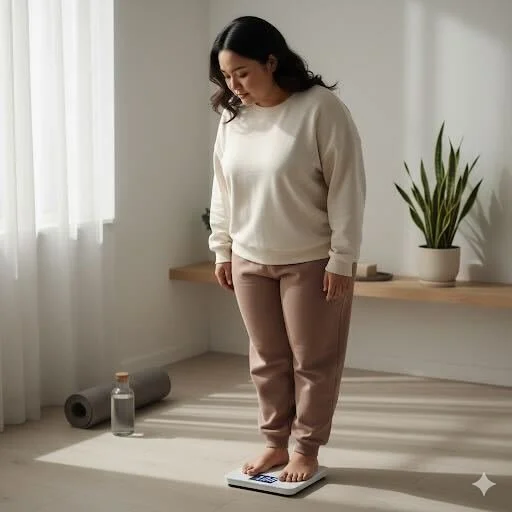
Why Do I Gain Weight Even When I’m Eating in a Calorie Deficit?
Weight changes aren’t always about calories. Hormones, metabolism, water retention, and lifestyle habits can all cause the scale to fluctuate—even when you’re making real progress. Understanding these factors helps you stay consistent, avoid frustration, and focus on long-term fat loss rather than daily scale numbers.

Is a Medically Guided Weight Loss Program Right for You?
If diet and exercise aren’t giving you the results you want, a medically guided weight loss program could provide the structure and personalized support you need. With professional monitoring, tailored nutrition, and health-based guidance, these programs offer a safer, more effective path to long-term weight management.

Why Sleep, Stress, and Hormones Matter More Than You Think in Weight Loss
Weight loss isn’t just about diet and exercise. Sleep, stress, and hormones play a powerful role in how your body burns fat, regulates appetite, and maintains energy. By optimizing these foundational factors, you can improve your metabolism, reduce cravings, and achieve more sustainable weight-loss results.

How to Maintain a Healthy Weight Without Obsessing Over Calories
Want to maintain a healthy weight without calorie stress? Focus on nourishing foods, mindful eating, and lifestyle habits like sleep, movement, and stress control. These simple shifts help your body regulate naturally, no strict tracking required.

Weight Loss Pills vs. Injections: Which Is the Safer Choice for You?
Weight Loss Pills vs. Injections: Discover how each works, their side effects, and which might be safer for your body. Your health, lifestyle, and goals matter. Make an informed choice with confidence.